Life in the Fast Lane: Australia's Two-Speed Economy
As we look back from the relative stability of mid-2025, it can be easy to forget the sheer velocity and turbulence of the Australian economy in the 2000s and early 2010s. It was an era defined by one overwhelming force: the commodities "super-cycle" — more commonly known as the mining boom. This wasn't just a background economic event; it was a societal shift that reshaped our nation, creating vast fortunes and deep challenges, often at the same time.
At its heart, the boom was driven by a single, powerful engine: the unprecedented industrialisation and urbanisation of China. As China transformed itself, building entire cities and moving hundreds of millions of people, it developed an insatiable appetite for raw materials — steel to build skyscrapers and railways, and coal to power its factories. Australia, with its vast reserves of high-quality iron ore and coal, was perfectly positioned to be the primary supplier.
The High-Speed Lane: The Heart of the Boom
For those in the fast lane, life was a whirlwind of activity and opportunity. This lane was primarily occupied by the mining sector and the states that hosted it: Western Australia and Queensland.
The scale of the investment was staggering. International mining giants poured billions into digging new mines in the Pilbara and the Bowen Basin. The economic indicators told a story of explosive growth:
- Massive Investment — New heavy-haul railways built to cart ore hundreds of kilometres to the coast. Ports dredged and expanded to accommodate a seemingly endless fleet of bulk carriers.
- Soaring Profits — Mining companies reported record-breaking profits, delivering huge tax revenues to state and federal governments.
- High Employment — Demand for skilled labour was immense, leading to sky-high wages that drew workers from all over the country and the world.
Perth's skyline was dotted with cranes, property prices soared, and a powerful sense of prosperity defined the era. But this was only one side of a much more complex national story.
The Legacy for Metal Fabrication
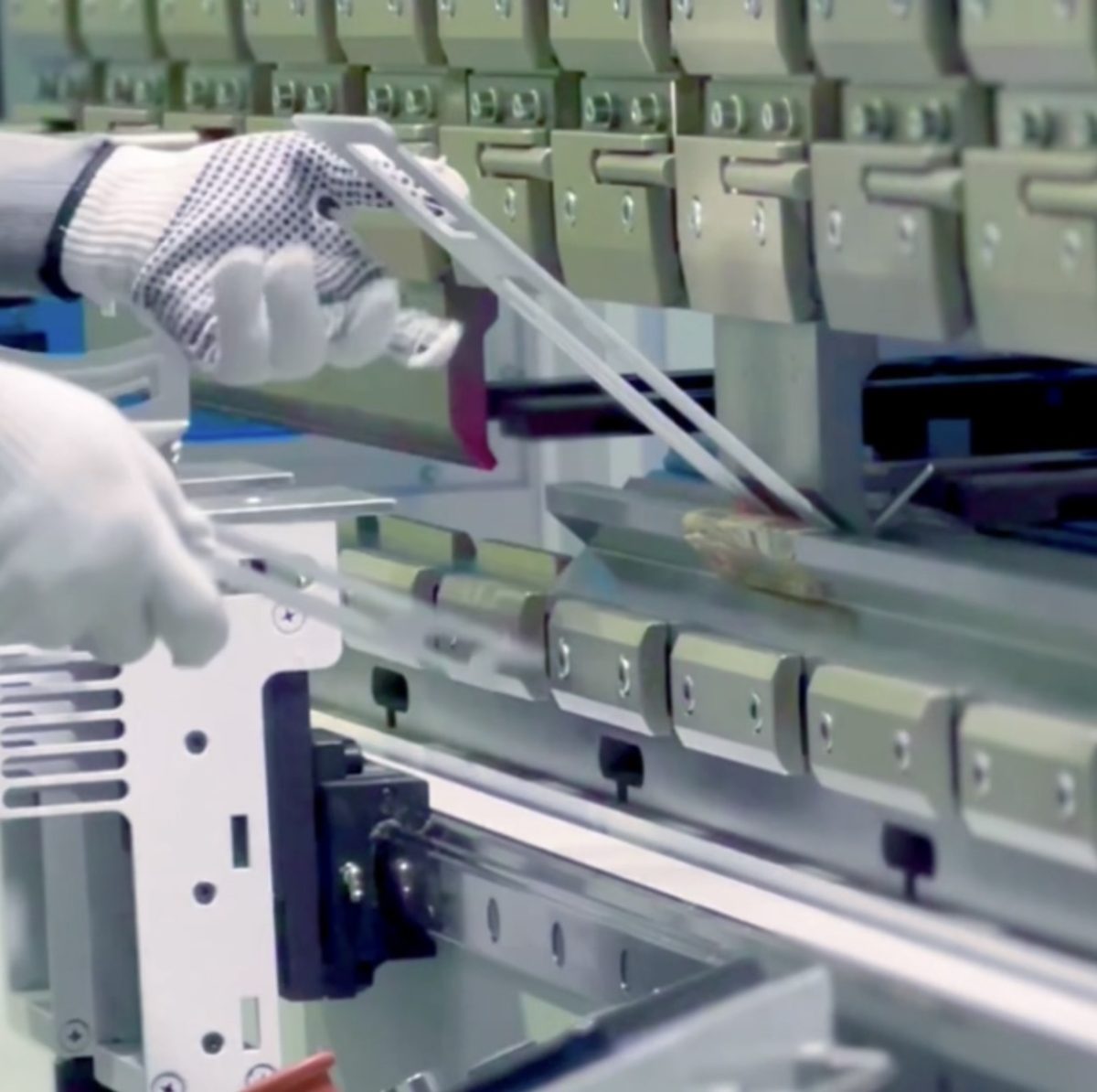
The mining boom created enormous demand for fabricated steel components — from structural steelwork for processing plants to specialist equipment housings and infrastructure. The legacy of this period shaped how Australia's fabrication industry scaled up its capabilities.
Today, as Australia's economy diversifies and infrastructure investment continues across Victoria and beyond, the demand for precision metal fabrication remains strong. At Aston Precision, we serve a wide range of industries born from or sustained by this industrial heritage.